Marriott International Serves Up the Future of Food, One Local Flavour at a Time
Marriott International is betting on a new era of dining, where Malaysian flavours take centre stage, smaller spaces make room for meaningful connections, and even dessert gets a personal touch.

Malaysian food has never struggled to make an impression. From the fiery comfort of sambal to the fragrant complexity of rendang, our local cuisine has plenty of personality. The real question is how these familiar flavours will evolve as diners become more particular about what they eat, where they eat and how they want the experience to feel.
Marriott International has a few ideas. On 6 October 2026, the hospitality group brought its Future of Food 2027 report to Malaysia with The Local Edit, an immersive dining experience at Petaling Jaya Marriott Hotel. The evening explored how local ingredients, changing social habits and technology are influencing the next chapter of dining across Asia Pacific, with Malaysia providing a delicious place to start.
The takeaway? Good food is no longer just about what lands on the plate. It's about the story behind it, the people who bring it to life and the experience guests take away with them.
Local Flavours, Global Appetite
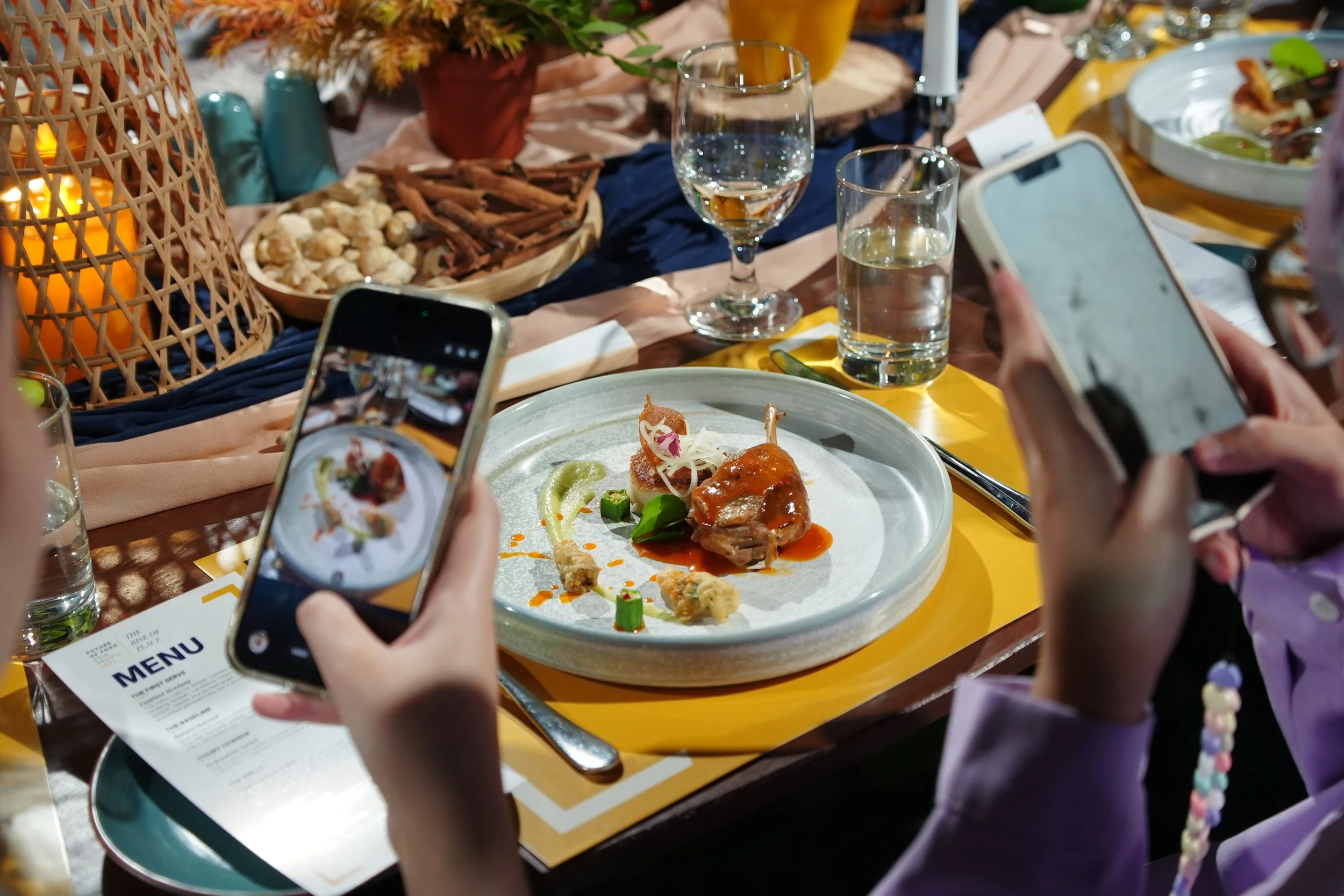
Last year's Future of Food report focused on heritage, provenance and sustainability. For 2027, Marriott is looking at how these foundations are evolving as diners increasingly seek personalised experiences, richer food stories and dishes that feel connected to their surroundings.
The appetite for local cuisine is particularly telling. Across Asia Pacific, 95 per cent of surveyed properties identified authentic local signature dishes as the biggest trend in their markets, while 69 per cent said these dishes were the menu attribute most likely to influence guest decisions. Demand for local signature dishes has also recorded the strongest growth among menu attributes, increasing by 46 per cent.
In other words, diners want more than a meal they could have anywhere. They want something that tells them where they are.
Malaysia's dining scene reflects this shift in several ways. Half of surveyed properties reported demand for healthier food, while 54 per cent saw growing interest in vegetarian options. Regional Asian, fusion and plant-forward dishes are also gaining ground, giving chefs more room to explore local ingredients through different culinary perspectives.
Drinking habits are changing, too. Thirty-eight per cent of Malaysian properties reported lower sales of premium spirits and cocktails, while local wine and craft gin recorded the strongest growth among Asian alcohol categories. Across the region, non-alcoholic drinks are finding their audience, with 42 per cent of restaurants and bars reporting higher sales of non-alcoholic beverages and 22 per cent seeing growth in low-alcohol drinks.
The message is clear: diners are becoming more selective, and the industry is learning to keep up.
"Across Asia Pacific, guests are telling us the same thing: they want to feel the destination through what's on the plate," said George Varughese, Market Vice President – Malaysia, Marriott International.
"Malaysia has one of the richest food cultures in the world, and The Local Edit is our way of celebrating it, not by reinventing Malaysian food, but by giving a glimpse of where the Malaysian table is going next. Through Marriott Bonvoy, we want our restaurants and bars to be places where locals and travellers alike come to discover the real flavours of the country."
A Malaysian Menu With a Modern Twist
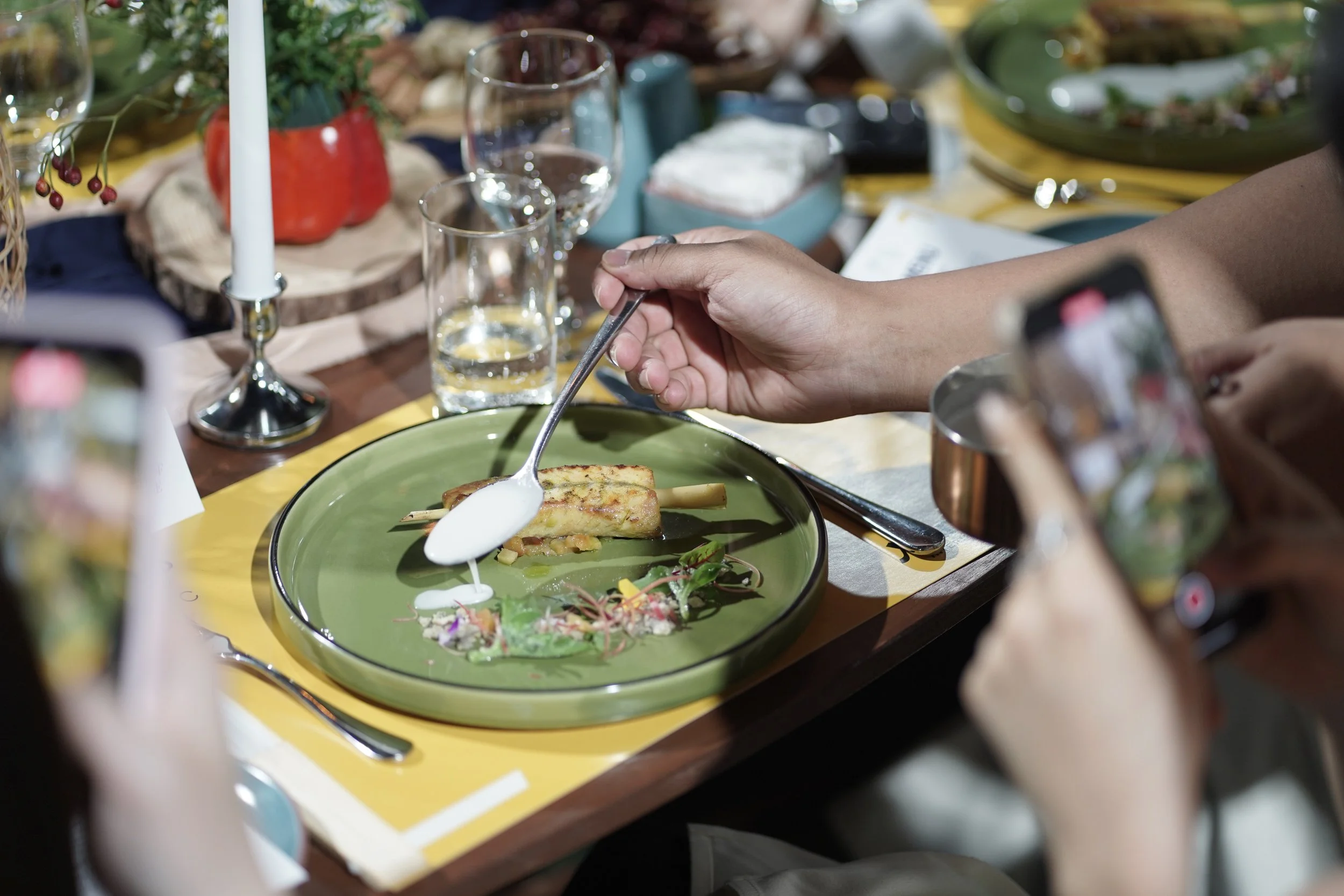
At The Local Edit, the report's ideas moved beyond the page and onto the dinner table. Guests were treated to a five-course menu designed to celebrate Malaysian flavours through a contemporary lens, with dishes including Eggplant Rendang, Borneo Harvest, Charcoal Ikan Bakar and Assam Pedas Duck.
The experience ran on a 99-minute dining format, offering a more intentional approach to a night out. It was a fitting reflection of changing dining habits, as guests spend less time in restaurants and bars than they did 12 months ago. Rather than assuming every meal needs to stretch into a long evening, the focus is shifting towards making the time count.
And then came dessert, with a decidedly futuristic flourish.
The evening concluded with Made For You, an AI-personalised Pandan-Coconut Mousse Tennis Ball dessert matched to each guest's palate. It's an unexpected pairing of familiar Malaysian flavours and emerging technology, showing how personalisation can become part of the dining experience without taking away from the food itself.
Marriott Bonvoy's local partners also had a place at the table, with BoomGrow, Hétam, Salla Kulinaria, Tug Gelato and Bancuhan highlighting Malaysian ingredients, provenance and homegrown craftsmanship.
For Dr Jay Desan, Co-founder and Director of BoomGrow, local sourcing goes well beyond adding a feel-good label to a menu.
"Local sourcing is often talked about as a menu label, but behind every ingredient is a grower, a season and a supply chain that has to work," he said. "When chefs and farmers work closely together, guests taste the difference in freshness."
It's a reminder that a thoughtfully prepared dish starts long before it reaches the kitchen. The people growing, sourcing and supplying the ingredients are just as much a part of the story as the chef putting everything together.
From Farm to Fork, With a Story to Tell
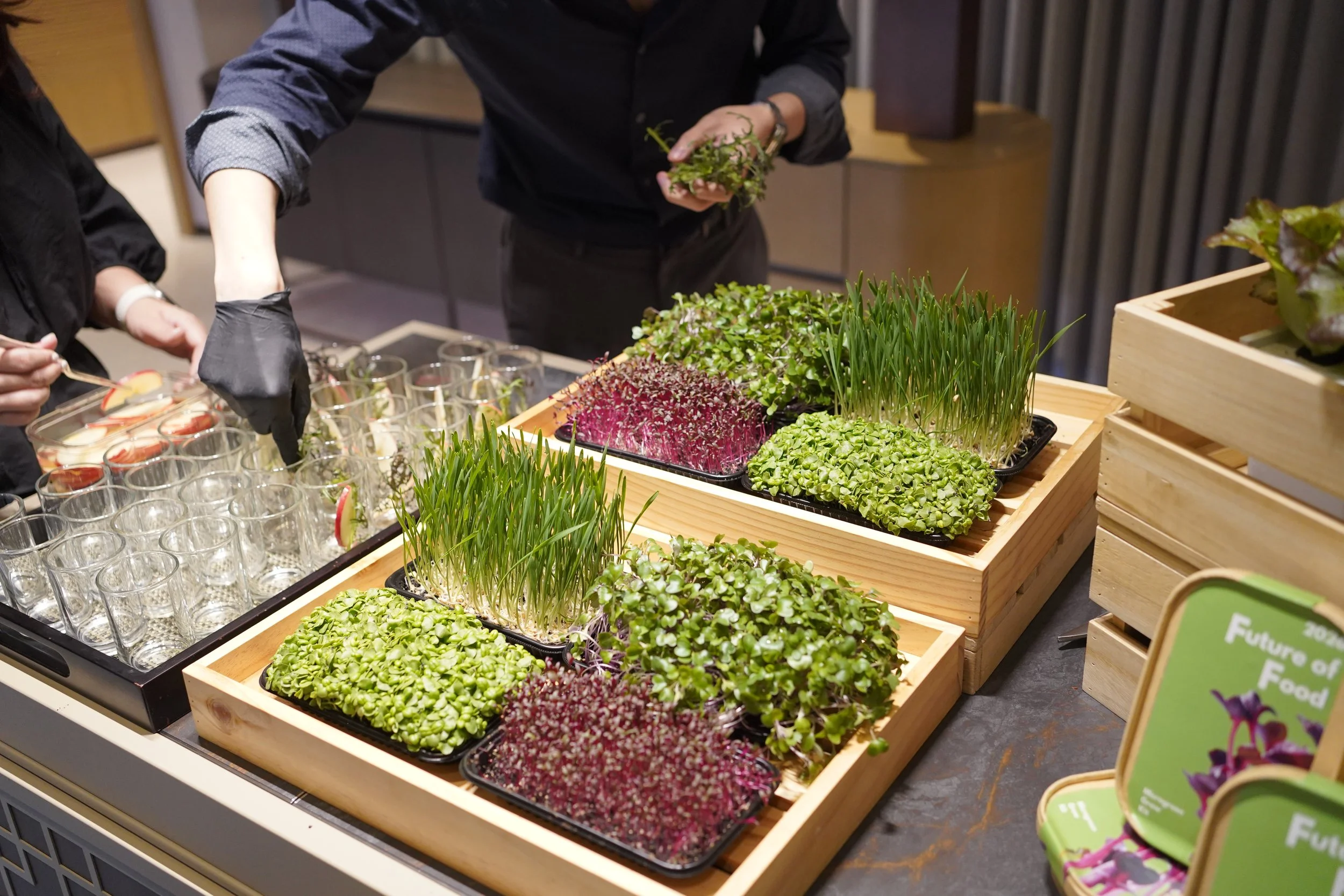
Freshness is getting a rethink. Instead of being defined by appearance alone, it increasingly comes down to seasonality, provenance and the quality of ingredients at their source.
For diners, this means knowing what they're eating can be just as interesting as tasting it. For chefs, it creates an opportunity to build menus around local produce and the people responsible for bringing it to the table.
The Local Edit placed these connections at the centre of its experience, giving Malaysian ingredients and their origins a bigger role in the dining narrative.
It's a particularly relevant direction for a country with such a rich food culture. Local sourcing isn't simply about keeping things close to home; it can also give dishes a stronger sense of identity. When the ingredients have a story, the meal has something more to say.
Smaller Tables, Bigger Connections
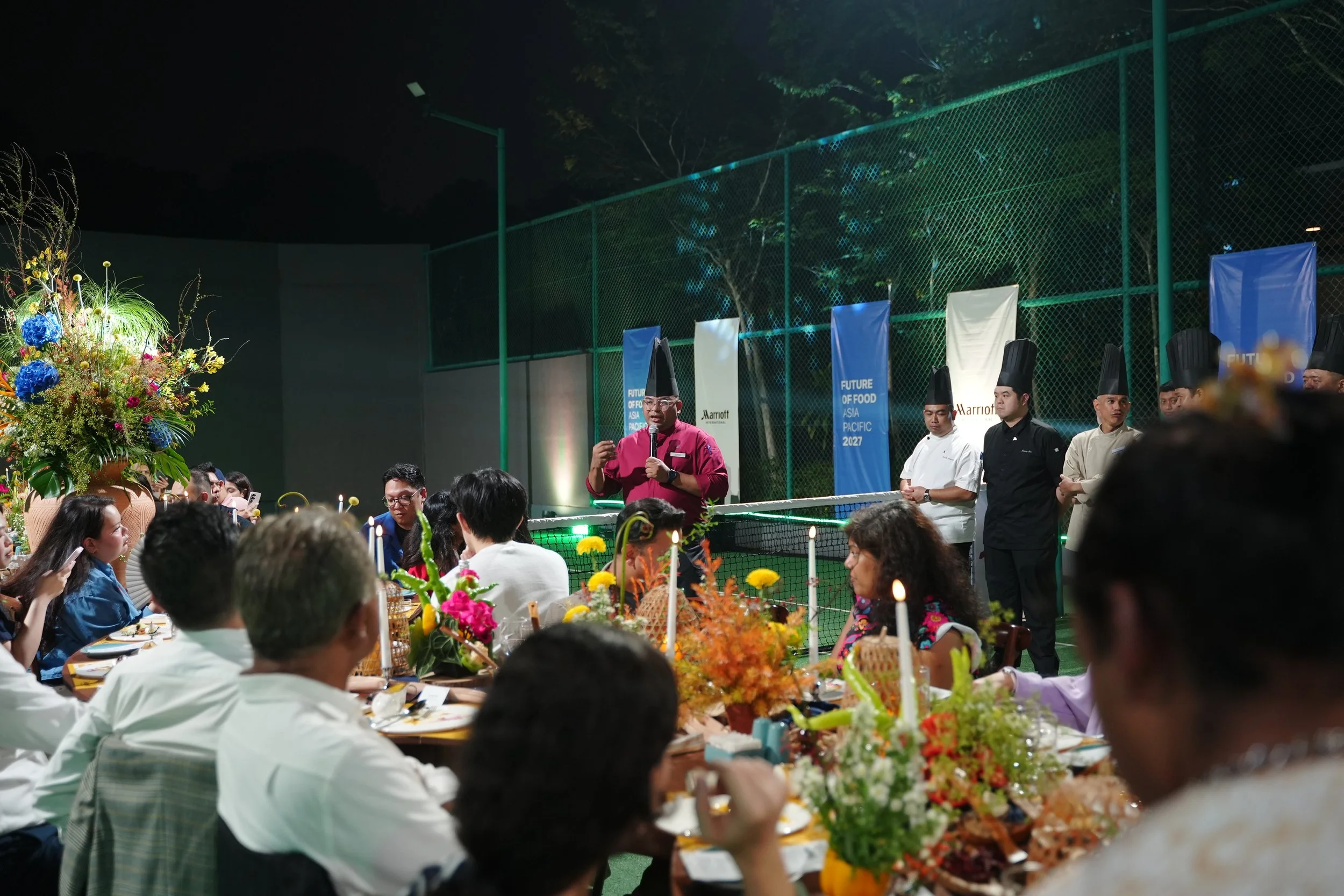
The future of dining might not involve bigger restaurants or grander dining rooms. In fact, Marriott's report points towards a growing preference for more intimate spaces and experiences that feel personal rather than overly formal.
Across surveyed properties, 45 per cent reported increasing demand for casual dining spaces. Concepts with around 40 to 60 seats are emerging as a preferred size for more intimate venues, while restaurants are adapting their layouts to accommodate different occasions throughout the day.
Think counter seats that put solo diners closer to the action, kitchen views that turn meal preparation into part of the entertainment, and flexible portions that make eating alone feel like a choice rather than an afterthought.
Dining spaces are also becoming more versatile. Private dining rooms, lounges, outdoor areas and tea-making experiences are gaining popularity, creating more ways for people to connect with food and one another.
"Across Asia Pacific, we're witnessing a shift toward intimate, locally-rooted experiences, where smaller, intentional spaces replace traditional formal dining models,” said Petr Raba, Vice President of Food & Beverage, Marriott International, Asia Pacific excluding China. “Hotels are becoming cultural storytellers, embedding regional talent, locally sourced ingredients and authentic connection into every aspect of the dining experience to create spaces that feel distinctly of their place."
For hotels, this means rethinking the restaurant as more than a convenient place for guests to eat. It can be a destination in its own right, offering a taste of the surrounding culture to travellers and locals alike.
Texture Is Having Its Moment
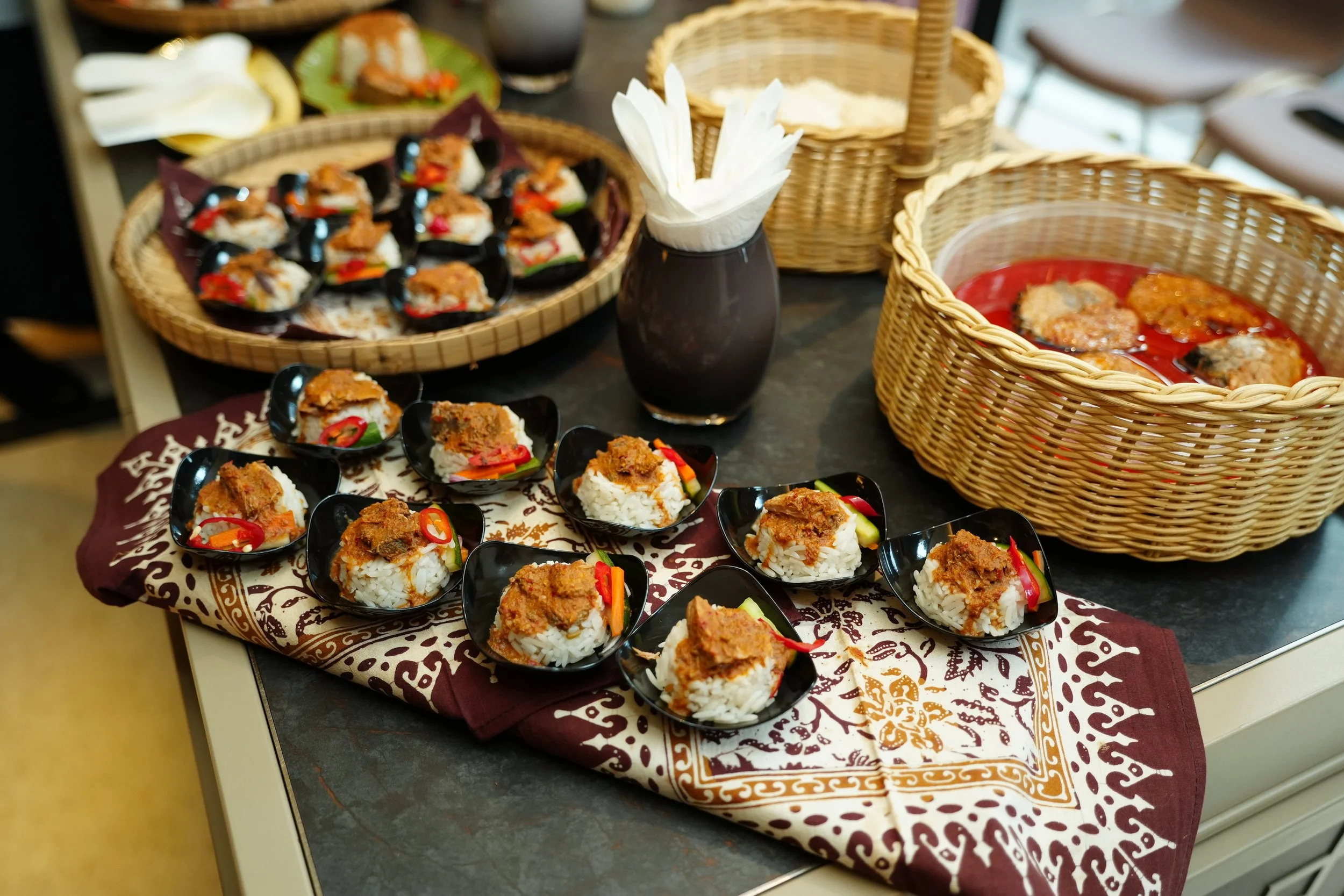
Flavour will always be the main event, but the way food feels is getting more attention.
Marriott's report highlights texture and mouthfeel as increasingly important parts of menu development. Spice, meanwhile, is moving towards subtler warmth and more aromatic profiles rather than heat for heat's sake.
Across Marriott properties, 79 per cent reported that guests most frequently opt for subtle levels of spice, with lemongrass and ginger leading demand for aromatic and herbal profiles.
For Malaysian diners accustomed to bold flavours, this doesn't mean the end of sambal or a collective retreat from chilli. Rather, it reflects a broader interest in balance, complexity and the little details that make a dish memorable.
Wellness is influencing menus as well. Ninety-seven per cent of properties reported serving dishes featuring wellness and longevity ingredients. Turmeric and ginger led the way, appearing in 80 per cent of reported offerings, followed by black sesame at 64 per cent, matcha at 59 per cent and miso at 52 per cent.
These ingredients have long histories in different food cultures, but their growing presence on menus speaks to a contemporary interest in eating well without making every meal feel like a health assignment.
The New Rules of Drinking and Dining
The evolving dining experience extends beyond food. As more guests explore alcohol-free and lower-alcohol options, restaurants and bars are being challenged to make alternatives feel just as considered as their traditional offerings.
The growth in non-alcoholic and low-alcohol beverages across the region suggests that premium drinking experiences need not depend on a high alcohol content. Thoughtful flavours, quality ingredients and an appealing presentation can give these options a place on the table in their own right.
Meanwhile, the rise of more personalised dining environments reflects a simple truth: people don't always want the same thing from a meal. One evening might call for a lively communal setting, while another might be better suited to a quiet counter seat or an intimate dinner with friends.
The restaurants that understand this are better positioned to create experiences that feel relevant to different moods, occasions and preferences.
AI in the Kitchen, Humans at the Heart
Technology is becoming part of the hospitality conversation, too, from connected systems and digital ordering to AI-assisted menu development and guest insights.
At The Local Edit, the Made For You dessert offered a tangible example of how AI can contribute to personalisation. But the larger opportunity lies in how these tools can help hospitality teams understand preferences and tailor experiences more effectively.
The report also points towards the growing role of AI behind the scenes, where it can support operational decisions and menu development while allowing staff to focus on the human side of hospitality.
Because no matter how clever the technology becomes, a personalised dining experience still depends on more than an algorithm. The atmosphere, the service, the people at the table and the care behind the food remain essential.
The Table Is Set for What's Next
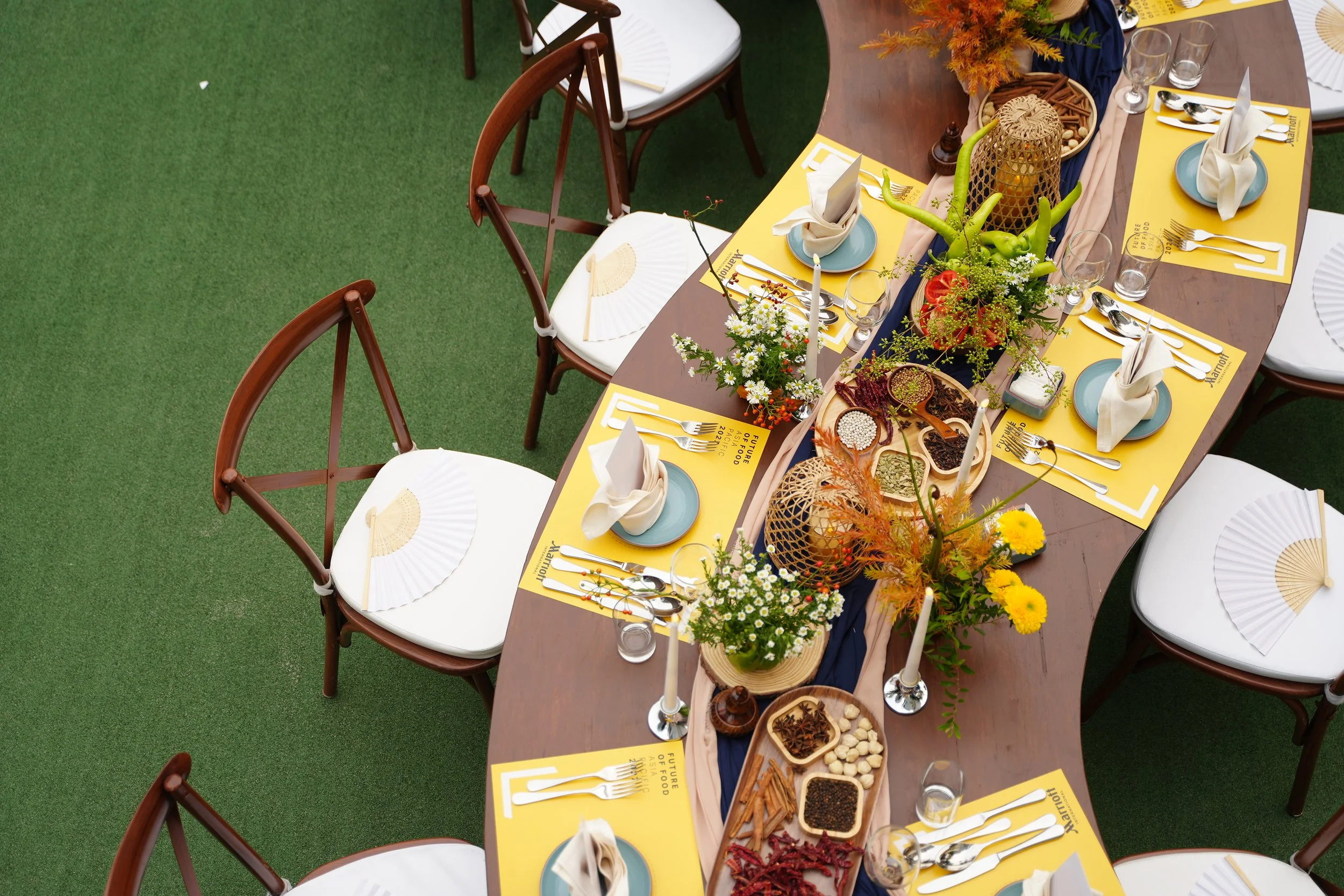
Marriott International's Future of Food 2027 report paints a picture of an industry becoming more attentive to the details that shape a memorable meal. Local ingredients matter. Personal preferences matter. So do flexible spaces, mindful drinking options and technology that serves a purpose.
For Malaysia, these developments offer an opportunity to bring the country's culinary identity into fresh focus without losing sight of what makes it special in the first place.
The Local Edit wasn't about reinventing Malaysian food. It was about exploring how familiar flavours, local craftsmanship and new ideas can come together in ways that feel relevant to today's diners.
And if the future of food can be summed up in one idea, it's this: a great meal doesn't need to be complicated to be memorable. Sometimes, it simply needs to taste like somewhere worth discovering.