EXOMIND Explained: The Science Behind the Brain Technology Changing Mental Wellness
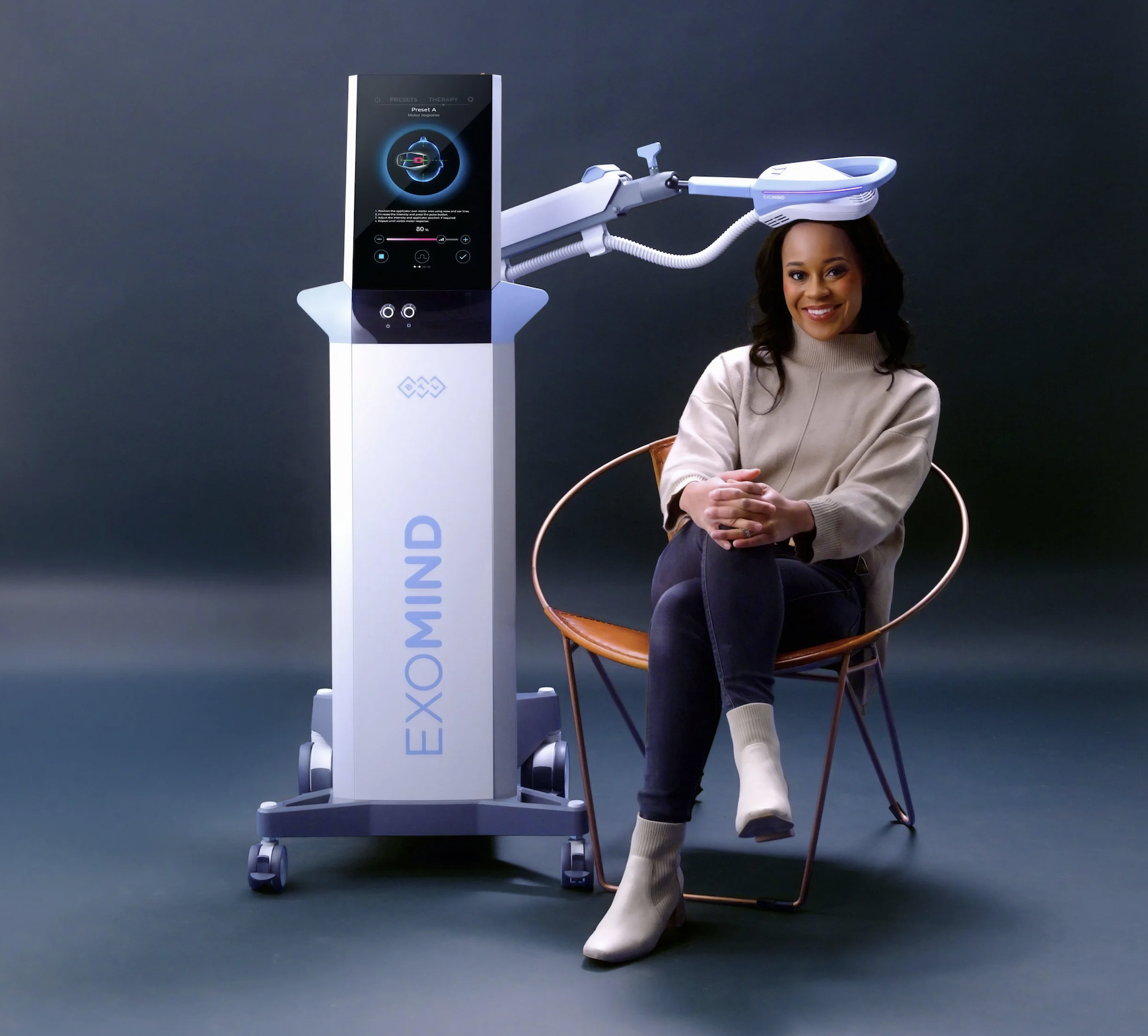
As conversations around mental health evolve, so too do the tools available to support it. Beyond therapy, medication, and mindfulness apps, a new wave of non-invasive technologies is reshaping how we think about emotional wellbeing, stress resilience, and even the brain's ability to change. One of the latest innovations making its way into the wellness space is EXOMIND, a next-generation brain stimulation platform powered by advanced Transcranial Magnetic Stimulation (TMS) technology. Designed to support healthier brain function without medication or downtime, it has sparked growing interest for its potential applications in mood regulation, cognitive performance, and behavioural health. We speak with the experts behind EXOMIND to unpack the science, separate fact from hype, and explore what this breakthrough could mean for the future of integrative mental wellness.
Understanding EXOMIND & The Science Behind It
A conversation with mr. josh chua
For readers unfamiliar with EXOMIND, how would you explain the technology in simple but medically accurate terms?
In simple terms, you can think of it as a way of “exercising” or “retraining” certain brain pathways that may have become dysregulated due to chronic stress, poor sleep, anxiety, emotional overwhelm, or burnout. EXOMIND uses gentle magnetic pulses to stimulate specific areas of the brain involved in mood, emotional regulation, stress response, motivation, and behavioural control.
Many people today live in a constant “fight-or-flight” state. When the nervous system remains overstimulated for too long, it can affect sleep, mood, cravings, energy levels, and even eating behaviours.
EXOMIND aims to help calm and rebalance these brain circuits, allowing patients to feel mentally clearer, emotionally steadier, and more regulated overall.
EXOMIND is based on Transcranial Magnetic Stimulation (TMS). Could you explain how TMS works neurologically and what makes EXOMIND different from traditional TMS systems?
TMS works by generating brief focused electromagnetic pulses that pass through the scalp and skull non-invasively. These pulses induce small electrical currents in targeted neurons, causing them to activate and fire. When applied repeatedly, this stimulation triggers neuroplasticity which is defined as the brain's natural capacity to rebuild weakened connections, strengthen existing neural pathways, and increase neurotransmitter release at synapses. Key neurotransmitters involved include dopamine, serotonin, and norepinephrine which are central to mood regulation, motivation, and cognitive function.
TMS as a field has over 40 years of research behind it and has been FDA-cleared since 2008. What EXOMIND brings to this established foundation is a technological evolution through its proprietary ExoTMS™ Technology, which addresses what has historically been the biggest barrier to TMS adoption: patient comfort and protocol efficiency.
Three specific innovations set EXOMIND apart. First, its ramp-up shaped pulse delivery gradually increases stimulation intensity within each train, rather than delivering sharp, shock-like pulses. This is why patients typically describe sessions as feeling like a head massage rather than something uncomfortable. Second, patented parallel coil wiring combined with an advanced air-cooling system allows a significantly higher pulse count per session. Third, EXOMIND uses anti-adaptive, variable-frequency stimulation: the frequency shifts within each protocol, preventing neurons from habituating to a repetitive pattern and sustaining consistent neural engagement throughout treatment.
These represent a genuine engineering advancement that makes the neurological benefits of TMS more accessible, comfortable, and efficient for a broader population.
What areas of the brain does EXOMIND target, and why are these regions important for mood regulation, cognitive function, and emotional control
EXOMIND primarily targets areas within the prefrontal cortex, which is often referred to as the brain’s “executive control centre.”
This region plays a major role in:
Emotional regulation
Decision-making
Impulse control
Motivation
Attention and focus
Stress resilience
When these brain circuits become dysregulated, people may feel emotionally reactive, mentally fatigued, anxious, overwhelmed, or more vulnerable to cravings and compulsive behaviours.
From a nutritional therapy perspective, we often observe that patients under chronic stress may struggle with poor sleep, unstable blood sugar, emotional eating, caffeine dependence, and energy crashes. Supporting healthier brain regulation can therefore have a meaningful ripple effect across many areas of health and behaviour.
EXOMIND has been described as “drug-free mental wellness technology.” From a physician’s perspective, where does it fit within the broader mental health treatment landscape?
EXOMIND occupies a distinct and complementary position in the mental wellness landscape. This is one that fills a real gap between lifestyle interventions on one end and pharmacological or clinical psychiatric treatment on the other.
For individuals experiencing sub-clinical symptoms e.g. chronic stress, emotional fatigue, poor sleep, low mood, diminished concentration, or difficulty with self-control who do not necessarily meet the threshold for a psychiatric diagnosis, there have historically been very few evidence-based, non-pharmacological options. EXOMIND addresses this gap directly. It is drug-free, non-invasive, requires no downtime, and is designed to be accessible in a primary care or wellness clinic setting.
For patients who prefer to explore non-pharmacological options before or alongside medication, EXOMIND provides a credible, science-backed alternative rooted in a technology with over four decades of research. It is important to be clear that EXOMIND is not a replacement for psychiatric care in cases of severe mental illness. Patients with serious conditions require full clinical assessment and management by a qualified psychiatrist.
Depression, Anxiety & Mental Health Applications
How does EXOMIND compare to antidepressant medications in terms of mechanism, patient experience, and expected outcomes?
The two approaches work through fundamentally different mechanisms.
Antidepressants work systemically, modulating neurotransmitter levels throughout the brain and body. Their onset is typically 4 to 6 weeks, they carry a range of systemic side effects (including weight changes, sexual dysfunction, sedation, and dependency concerns), and they require daily adherence over months or years. For many patients, finding the right medication involves a trial-and-error process that can extend over months.
EXOMIND, powered by ExoTMS™ Technology, works locally and neurologically delivering targeted electromagnetic stimulation directly to the left DLPFC to drive neuroplasticity.
In terms of patient experience, the contrast is significant. EXOMIND sessions last under 30 minutes, are described by most patients as comfortable, and require no recovery time. There is no medication to remember, no concern about interactions, and no stigma associated with a psychiatric prescription.
It is worth noting that EXOMIND is not positioned as a like-for-like replacement for antidepressants in patients with severe MDD. Rather, it offers a meaningful alternative or complement for those seeking a non-pharmacological path.
What role can EXOMIND play alongside psychotherapy, lifestyle changes, or medication management?
EXOMIND is very well-suited to integrated care approaches, and this is one of the areas where we see the most clinical interest.
Neurologically, the improvements in DLPFC function that EXOMIND promotes better emotional regulation, improved impulse control, greater cognitive flexibility. EXOMIND can directly enhance a patient's capacity to engage with and benefit from psychotherapy. A patient who is mentally fatigued, emotionally dysregulated, or motivationally depleted will typically struggle to get the most out of talking therapies. By restoring healthier baseline brain function, EXOMIND can effectively raise the floor from which therapeutic work begins.
Similarly, many of the lifestyle changes that clinicians recommend better sleep hygiene, regular exercise, dietary improvement, stress reduction. All these measures require exactly the qualities that a well-functioning DLPFC supports: motivation, self-control, and the ability to resist short-term impulses in favour of long-term goals. EXOMIND can meaningfully support a patient's capacity to implement and sustain those changes.
For patients already on medication, EXOMIND can be used concurrently. Providers should be informed of current medications and any dosage changes, particularly for medications that may affect seizure threshold, but EXOMIND does not require patients to discontinue antidepressants.
In short, EXOMIND functions well as a standalone intervention for wellness-tier concerns, and equally well as an adjunct within a broader, multi-modal care plan.
Some clinics also discuss EXOMIND for anxiety, PTSD, ADHD, binge eating, and cognitive issues. What does the current evidence actually say about these off-label applications?
It is worth distinguishing between TMS as a broader modality and EXOMIND's specific regulatory indications, because the evidence picture differs across these two levels.
At the level of TMS as a technology, there is a growing and genuinely encouraging body of published research across several of these areas.
For anxiety, TMS — particularly targeting the DLPFC has shown benefit in reducing anxiety symptoms as a comorbidity in patients with MDD; this is reflected in CE-certified indications for EXOMIND. Early clinical data including accelerated DLPFC stimulation protocols have shown meaningful symptom improvements across depression, anxiety, and PTSD domains simultaneously.
For ADHD, research remains earlier-stage, but the mechanistic rationale is sound given the DLPFC's central role in attention and executive function.
For binge eating disorder, the evidence base has strengthened considerably including a peer-reviewed study published in 2025 specifically evaluating ExoTMS™ Technology, which reported a 37.8% reduction in binge eating scores post-treatment and a 73.7% remission rate at one-month follow-up.
For cognitive function more broadly, EXOMIND's stimulation of the DLPFC has shown improvements in concentration, mental clarity, and self-reported cognitive performance in clinical study populations.
In terms of EXOMIND's specific regulatory status in Malaysia, I would recommend that clinicians consult directly with their regulatory affairs team or with BTL's local representative to confirm current registered indications, as these are subject to MDA registration specifics and may not map exactly to the international CE or FDA clearance scope. Any treatment of conditions beyond registered indications should be undertaken under physician supervision, with appropriate patient consultation and documentation.
What I can say with confidence is that the scientific rationale rooted in DLPFC neuroplasticity is consistent and coherent across all of these application areas. The evidence base is at different stages of maturity depending on the condition, but the direction is consistently positive.
Binge Eating, Cravings & Behavioural Health
There has been growing discussion around EXOMIND’s potential impact on binge eating and impulse control. Neurologically, why are these behaviours linked to the same brain regions involved in mood regulation?
The brain does not separate emotions, stress response, reward, and eating behaviours as neatly as we might think. Many of these functions involve overlapping neural pathways, especially within the prefrontal cortex and reward centres of the brain.
When a person is chronically stressed, anxious, emotionally overwhelmed, or sleep deprived, the brain often seeks quick forms of comfort or reward. For some individuals, this may manifest as cravings for sugar, processed foods, or episodes of binge eating.
At the same time, the areas responsible for impulse control and emotional regulation may become less efficient under stress. This is why emotional eating is often not simply about “lack of willpower,” but rather a complex interaction between brain chemistry, stress physiology, emotional health, and learned behavioural patterns.
How does emotional regulation influence eating behaviours and food cravings from a neuropsychiatric perspective?
When the nervous system is dysregulated, the body tends to prioritise survival and immediate reward over long-term health decisions. Stress hormones such as cortisol can influence appetite, blood sugar balance, cravings, and even food preferences.
Many individuals notice that during periods of stress or emotional exhaustion, they crave highly palatable foods rich in sugar, salt, or refined carbohydrates. These foods temporarily stimulate reward pathways in the brain and may create short-term emotional relief.
However, poor sleep, unstable blood sugar, chronic stress, and nutrient deficiencies can further worsen this cycle. This is why I believe emotional regulation, nervous system support, and nutritional therapy must work hand in hand.
In patients with binge eating tendencies, what psychological or neurological patterns are commonly observed?
Many patients struggling with binge eating patterns may also experience:
Chronic stress or anxiety
Emotional suppression
Poor sleep quality
Low self-esteem or guilt surrounding food
Blood sugar instability
Mental fatigue and burnout
Difficulty with impulse regulation
Neurologically, there is often an imbalance between the brain’s emotional and reward systems versus the areas responsible for executive control and self-regulation.
Importantly, binge eating behaviours are rarely simply about hunger. In many cases, food becomes a coping mechanism for emotional distress, overstimulation, exhaustion, or nervous system dysregulation.
Could EXOMIND potentially support patients whose eating behaviours are rooted in stress, trauma, anxiety, or depression?
Potentially yes, particularly when emotional eating behaviours are strongly linked to chronic stress, anxiety, emotional dysregulation, or low mood.
However, it is important to approach these cases holistically and compassionately. There is rarely a single root cause behind binge eating or compulsive eating behaviours. Nutrient deficiencies, trauma, poor sleep, unstable blood sugar, emotional distress and lifestyle stressors may all contribute simultaneously.
At Clique Clinic, we see EXOMIND as one supportive tool that could help calm the nervous system and improve emotional resilience, while nutritional therapy helps stabilise the body physiologically through balanced meals, blood sugar regulation, sleep support, and foundational lifestyle changes.
How important is combining behavioural therapy and nutritional guidance with technologies like EXOMIND for long-term success?
I believe it is extremely important. No technology should be viewed as a standalone “quick fix.” Sustainable healing usually requires addressing both the brain and the body.
For example:
Behavioural therapy helps develop emotional awareness and healthier coping strategies.
Nutritional therapy helps stabilise blood sugar, improve energy regulation, reduce inflammation, and support neurotransmitter production.
EXOMIND helps create a calmer and more regulated neurological state, making it easier for patients to implement healthier habits consistently.
Long-term success often comes from combining these approaches in a supportive and personalised manner.
What misconceptions do people often have about emotional eating and binge eating disorders?
One of the biggest misconceptions is that these behaviours are purely about discipline or self-control.
In reality, emotional eating and binge eating are often deeply connected to stress physiology, emotional overwhelm, sleep deprivation, trauma, nervous system dysregulation, and brain reward pathways.
Another misconception is that weight management is only about calories, without considering food quality, stress, sleep, digestive disorders and blood sugar dysregulation. While nutrition certainly matters, many patients struggle because their nervous system is constantly operating in a state of stress and survival.
When patients feel calmer, sleep better, regulate their blood sugar more effectively, and feel emotionally supported, healthier eating behaviours often become much more achievable.
Future of Brain Health & Mental Wellness
Do you believe technologies like EXOMIND represent the future of mental healthcare, particularly for patients seeking non-pharmaceutical options?
I believe they represent an important part of the future, particularly as society becomes more aware of the relationship between stress, nervous system health, emotional wellbeing, sleep, metabolism and chronic stress.
Many patients today are actively seeking non-invasive and drug-free approaches that complement traditional care. Technology like EXOMIND offers an additional option for individuals looking to support emotional regulation, mental resilience and overall wellbeing in a more integrative way.
What excites you most scientifically about the future of non-invasive brain therapies?
What excites me most is the growing understanding that the brain is adaptable throughout life. The concept of neuroplasticity shows us that the brain can form new patterns and healthier pathways when given the right support.
I am also fascinated by how interconnected brain health is with nutrition, sleep, inflammation, hormones, metabolism, and gut health. The future of healthcare is likely to become increasingly multidisciplinary and personalised, rather than treating each symptom in isolation.
If you could give one piece of advice to someone considering EXOMIND for the first time, what would it be?
Approach it with realistic expectations and an open mind.
EXOMIND is not a magic solution, but for the right individual, it may become a valuable part of a broader healing journey. The best outcomes usually happen when patients also prioritise foundational health habits such as proper sleep, balanced nutrition, stress management, movement, and emotional support.
Ultimately, what should patients prioritise most when choosing any mental wellness treatment — whether traditional or technology-based
Patients should prioritise safety, evidence-informed care, and a personalised approach that considers the whole person, not just symptoms alone.
Mental wellness is rarely only psychological or only physical. Sleep, stress, nutrition, trauma history, blood sugar balance, emotional health, relationships, and lifestyle all interact together.
The most meaningful and sustainable outcomes often come from approaches that support both the brain and the body with compassion, education, and long-term lifestyle foundations.