Wellness Doesn't Start at the Door. Cosentino's Voices of Design Explores Where It Really Begins

Most people think wellness starts the moment they walk into a beautifully designed space. Cosentino's latest Voices of Design session argues otherwise.
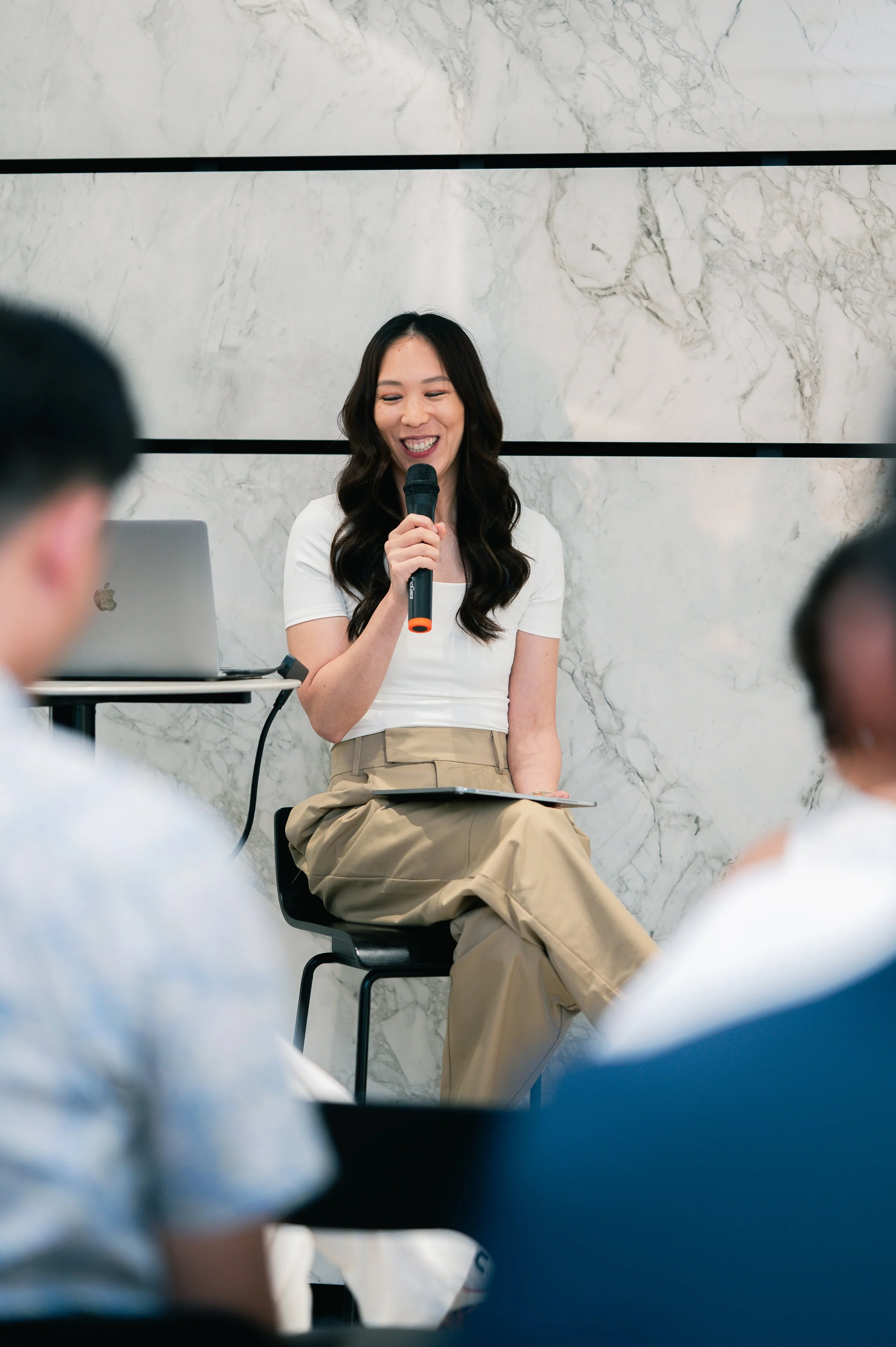
Held at the Cosentino showroom in Petaling Jaya, the latest edition of the design conversation series, themed "Designing for Wellness," gathered professionals from architecture, hospitality and business to unpack a bigger question: what actually makes a space feel good?
Moderated by Matthew Lim, Founder and Principal of Matthew Lim Associates, the panel brought together Bryan Loo, Founder and CEO of Loob Holding, Diane Chia, Executive Director of Millenia Village, and Ar. IDr. Wong Hui Yi, Director of Design Matter. Rather than debating trends, the conversation centred on something far more lasting: how design quietly shapes the way we think, move, recover and connect.
Before You Walk In, The Experience Has Already Started

For Wong Hui Yi, wellness isn't something hidden behind beautiful interiors. It begins long before someone reaches the reception desk.
"It starts the moment we approach a place—the journey, the arrival sequence, the first impression, the transition from the outside world into a different state of mind. As architects and interior designers, we have the opportunity to choreograph that entire experience."
It's an idea that shifts the focus away from individual design features and towards the emotional journey a space creates. Instead of asking whether a room looks relaxing, Wong considers how visitors arrive, move through the environment, pause, interact, recover and reconnect along the way.
She points to Hanami Urban Spa-scape as an example. Every stage of the experience was intentionally planned, beginning with a contemporary Zen-inspired façade and garden before leading guests through reception, discovery gardens and finally into the Forest and Spring onsen experiences. The objective wasn't simply visual beauty. It was about gradually slowing the mind and preparing the body for restoration.
That thinking resonated throughout the discussion. Wellness isn't always something people consciously notice. More often, it's found in subtle moments, an intuitive flow through a building, a favourite quiet corner, or an atmosphere that naturally encourages people to slow down.
As Matthew Lim puts it, "Wellness is not a room or a feature—it is the overall feeling a space leaves with you after spending time in it."
Good Design Doesn't Demand Attention

The conversation also challenged another common misconception: that wellness design needs to be obvious.
Instead, the panel agreed that the best spaces often work quietly in the background.
Matthew Lim explained that his design philosophy starts with reducing stress rather than creating visual stimulation.
"I often focus on three aspects: natural light, spatial flow, and emotional comfort. A well-designed space should reduce stress rather than create stimulation. It should feel intuitive to move through, comfortable to inhabit, and capable of adapting to different moods throughout the day."
Wong Hui Yi echoed that sentiment.
"A wellness-centred space should feel intuitive rather than demanding. It should work quietly in the background. When all the elements come together, people may not notice the design itself—but they will leave feeling calmer, more balanced and more connected."
Bryan Loo approaches wellness from an equally personal perspective. Rather than designing around what wellness should look like, he focused on what genuinely helps him recharge.
"I designed for the kind of recharge that actually fits how I'm wired, not the kind that looks good on paper."
From the gym and swimming pool to the courtyard and conversation pit, every part of his home reflects his own routines, family life and daily habits instead of following conventional ideas of luxury.
For Diane Chia, successful spaces are equally personal.
"The most powerful environments are the ones that meet you where you are, not where the designer thinks you should be."
Natural Light Still Reigns Supreme
If one design element consistently united the panel, it was natural light.
Wong Hui Yi described it as the ingredient that gives architecture its emotional quality.
"When natural light, materiality, colour and texture come together harmoniously, a space begins to feel effortless. Light is what gives architecture life. The same room can feel entirely different depending on how sunlight enters it."
Matthew Lim highlighted its impact beyond aesthetics.
"Natural light has a profound effect on human wellbeing. It regulates our body clock, improves mood, enhances productivity, and creates a connection with the outside world."
But lighting alone isn't enough.
The conversation repeatedly returned to balance. Colour, materials, texture and lighting all work together to create spaces that feel calm instead of overstimulating.
Bryan Loo admitted that texture often mattered more than colour throughout his design process.
"Texture mattered more to me than colour: limewash walls, natural stone, timber, soft textiles—things that hold your attention without shouting."
His team also developed what he calls a "hierarchy of light", layering ambient, accent and diffused lighting to create spaces with depth rather than spectacle.
"The effect I wanted was a room that breathes instead of one that performs."
For Diane Chia, these design decisions ultimately influence behaviour itself.
"The environment is always upstream of behaviour. Get that right and everything else follows."
The Materials Matter More Than You Think
The discussion also explored an often-overlooked aspect of wellness design: the materials themselves.
According to Wong Hui Yi, every material is evaluated from two perspectives before it becomes part of a project.
"The first is emotional: what feeling does the material evoke? Does it feel warm, calming, grounded or uplifting? The second is functional: how well does it support comfort, hygiene, durability and long-term well-being?"
She explained that Cosentino surfaces meet both requirements, combining durability, stain resistance, hygienic properties and low maintenance with the flexibility designers need to create visually cohesive spaces.
From a wellness standpoint, she believes thoughtfully selected materials help reduce cognitive stress through consistency, texture and visual harmony.
Matthew Lim shares a similar view after incorporating Cosentino surfaces into multiple projects.
"They allow us to create spaces that are durable, hygienic, and easy to maintain while maintaining a refined and timeless appearance."
More Than A Design Conversation
With Voices of Design, Cosentino continues building a platform that goes beyond product showcases, inviting architects, designers and industry leaders to exchange ideas that shape how we experience the built environment.
If this latest session proved anything, it's that wellness isn't something designers simply install into a room. It's carefully considered from the very first step, through every material, every beam of light and every interaction along the journey.
Sometimes, the spaces that make us feel the best are the ones working the hardest without us ever noticing.