Five Years of Good & Honest: Inga Jawahir on Building a PR Agency Rooted in Integrity
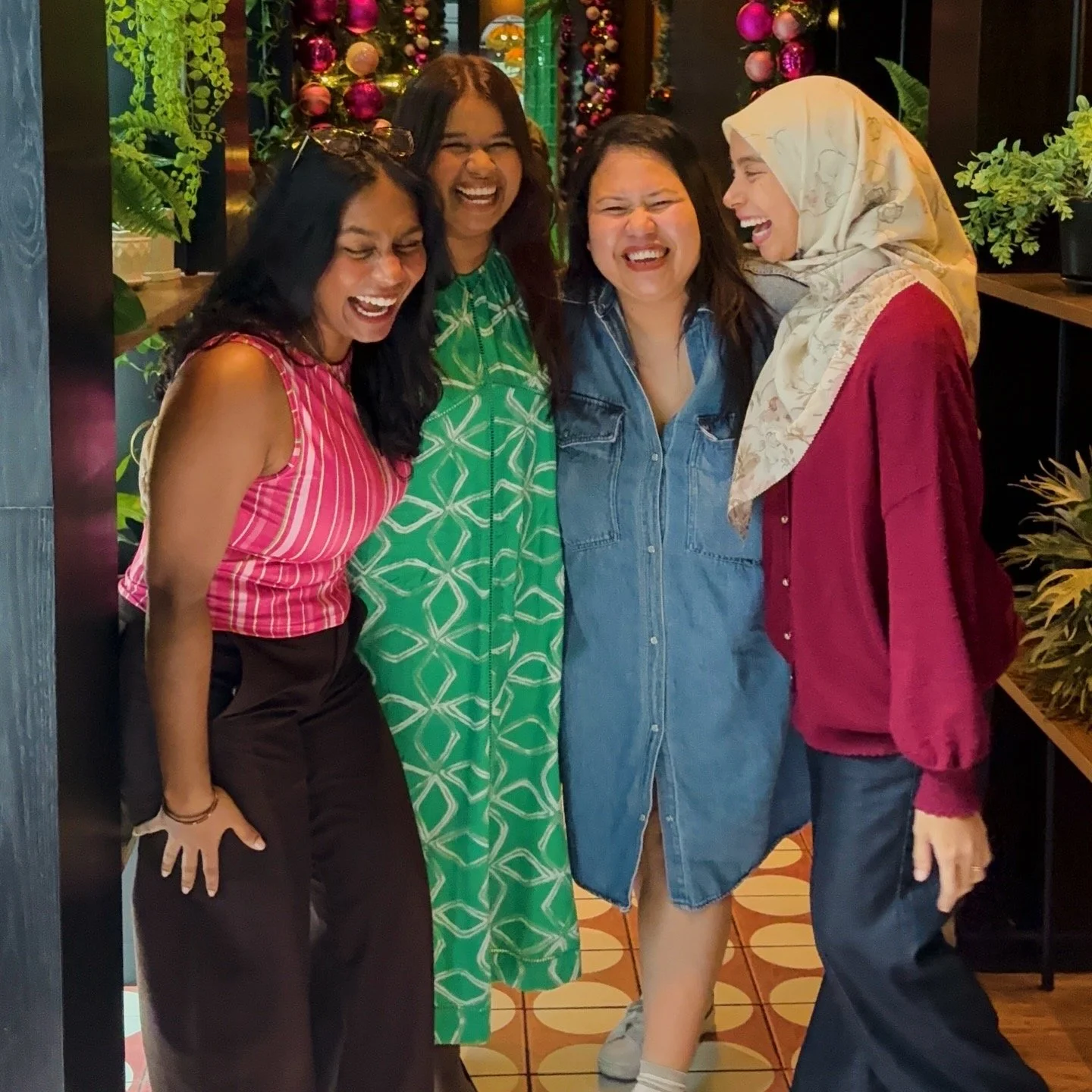
As Inga Jawahir reflects on the five-year milestone of Good & Honest Communications, her perspective on public relations is refreshingly grounded in something often overlooked in the fast-moving communications industry: integrity. Since launching the boutique agency, Inga has built G&H on the belief that transparency, trust, and thoughtful collaboration should guide every interaction—from client relationships to partnerships with media and creators. In an industry often defined by noise and speed, she has chosen a different path: one focused on meaningful storytelling, long-term credibility, and nurturing the people and brands that shape the ecosystem. In this conversation, Inga reflects on the lessons that came with building a PR agency from the ground up, the instincts she had to refine along the way, and the vision she holds for the future of Good & Honest Communications.
Deep Dive with Inga Jawahir,
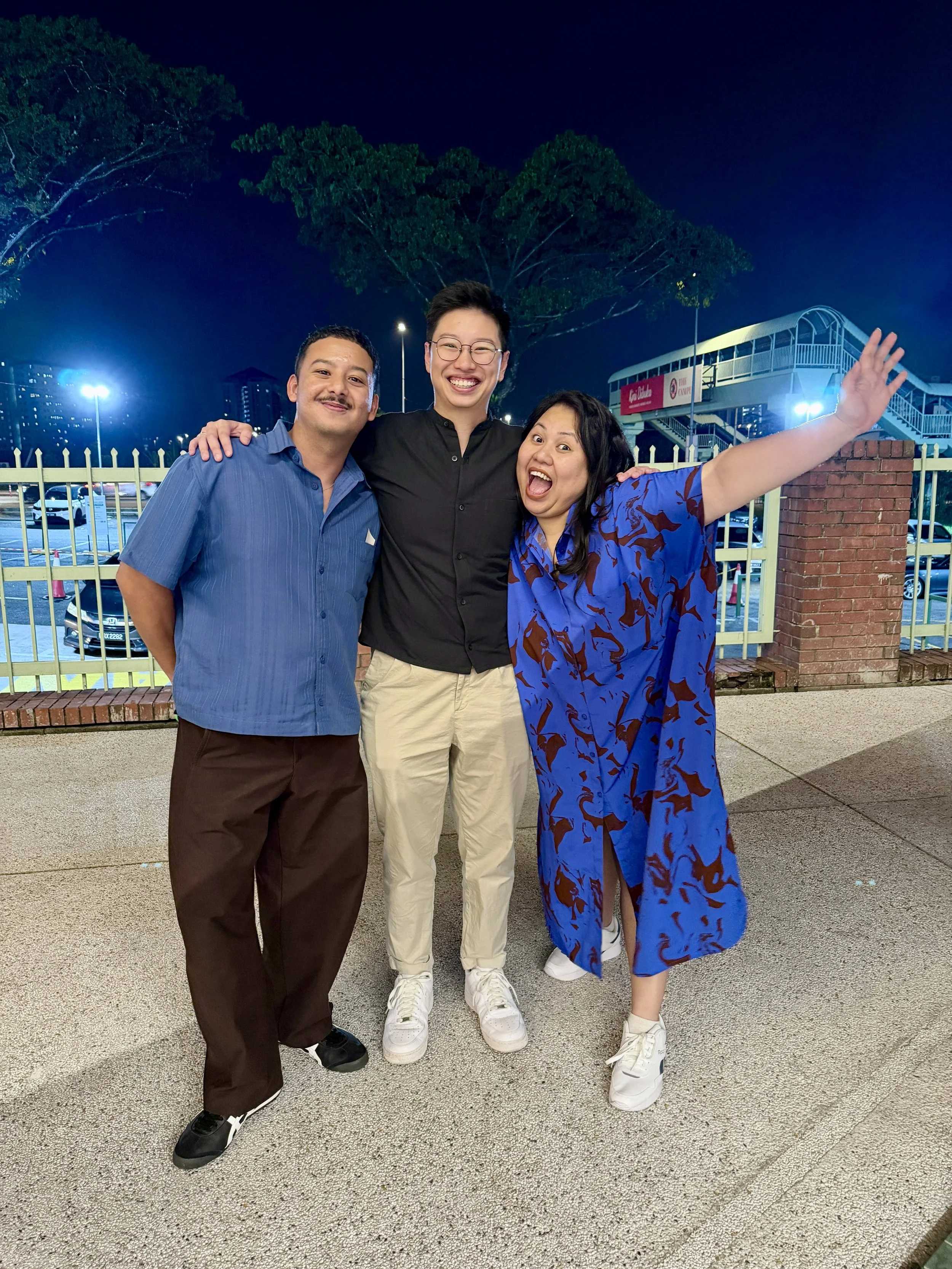
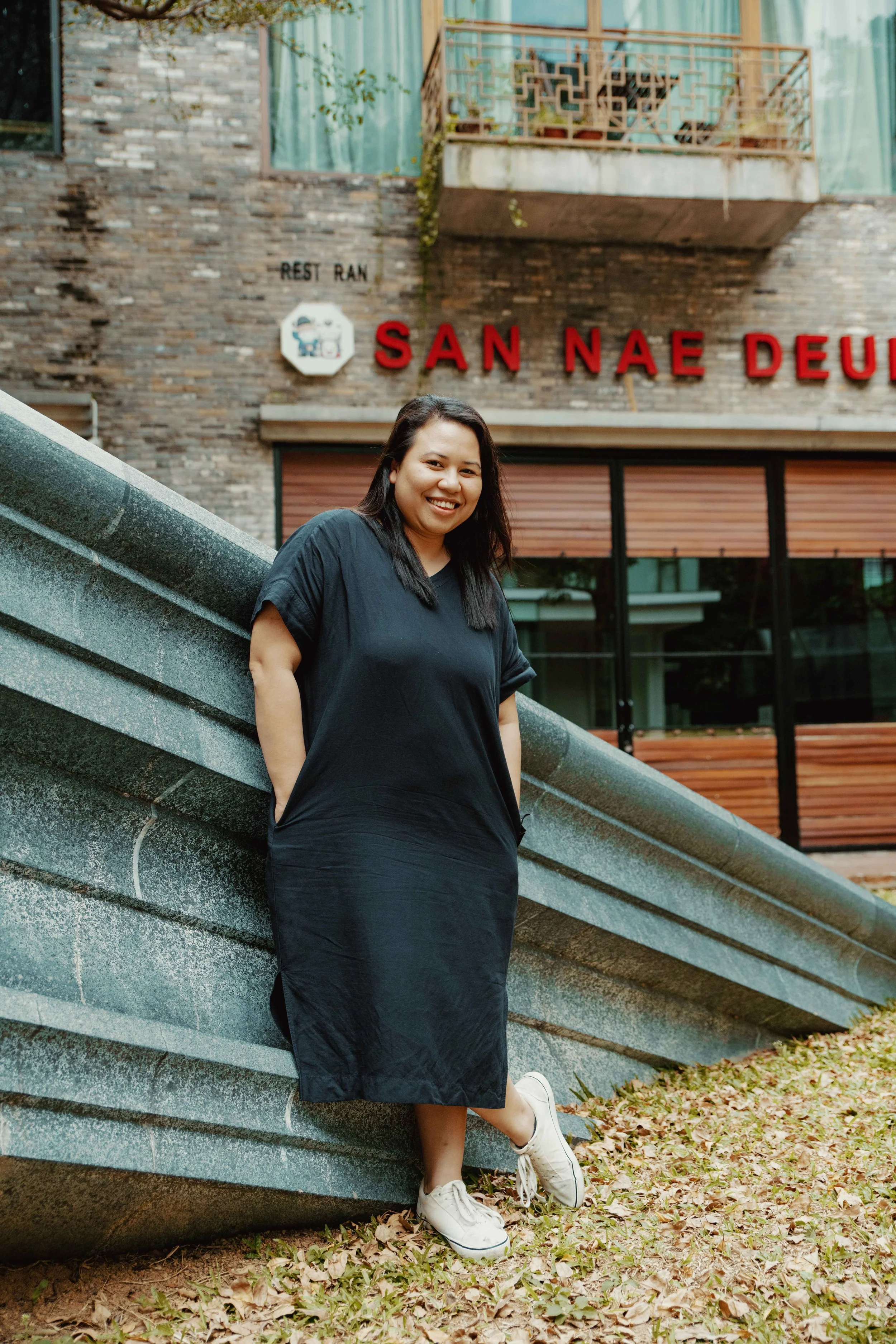
Managing Director of Good & Honest Communications (G&H Co.)
Good & Honest Co. just turned five, which is a major milestone in agency years. When you look back at the version of yourself who first started the company, what beliefs or instincts turned out to be your greatest strengths—and which ones did you have to unlearn along the way?
“For me, everything begins with honesty and transparency. That belief is deeply embedded in G&H’s DNA—it’s not a slogan, it’s our culture. We practise it consistently, whether with our own team, our clients, the media, or the influencers we collaborate with. Every relationship matters, and every interaction deserves respect and truth.
Over the years, I’ve learned that being honest also means knowing when to say no. Not every project is the right fit, and not every idea should be pursued. We choose to deliver only what we are truly capable of executing well, because overpromising may win you work in the short term, but it ultimately erodes trust—and that is far more costly.
One of the most important lessons I’ve unlearned is the need to be a “yes-person,” especially with clients. Clients don’t engage an agency to simply follow instructions—they engage us to think, to challenge, and to solve problems. Our role is to be a trusted consultant, not an order taker. If an agency only agrees without adding value, there’s little reason not to keep the work in-house.
At G&H, we believe our responsibility is to support and enable—to help our clients, media partners, and influencers succeed through thoughtful guidance and strategic clarity. When honesty leads the conversation, collaboration becomes stronger, outcomes become more meaningful, and the work speaks for itself.”
Building a PR agency often means growing alongside your clients. How has your definition of “good” and “honest” evolved over the past five years as the industry, brands, and audiences have shifted?
“Good question! Over the past five years, our definition of “good” and “honest” has matured alongside the industry, our clients, and their audiences.
In the early days, good PR was often measured by visibility—how many stories ran and how loud the buzz was. Today, good means relevance, impact, and longevity. It’s about crafting stories that make sense for the brand now, resonate with the right audience, and still feel authentic months or years down the line. We’ve learned that not every story needs to be told, and not every trend needs to be chased. Sometimes, doing good work means advising a client to pause, refine, or even say no.
Honesty, for us, has also deepened. It’s no longer just about not overpromising results—it’s about being upfront with clients on what will truly move the needle in a fast-changing, tech-driven landscape. Audiences today are more discerning, media is more selective, and influence is earned, not bought. Being honest means setting realistic expectations, explaining the “why” behind our strategies, and having difficult but necessary conversations when something won’t serve the brand in the long run.
As a boutique agency that champions local talent and works closely with media and creators, we’ve also learned that honesty extends to how we collaborate. Transparency builds trust—not just with clients, but with journalists, influencers, and partners who value integrity over noise.
Ultimately, growing with our clients has taught us that good and honest PR isn’t about shouting the loudest. It’s about telling the right story, in the right way, to the right people—and standing by it with integrity. That’s how we continue to build brands that don’t just stand out, but stand for something.”
What were some of the toughest moments in the early years of Good & Honest Co. that no one really prepares founders for, and how did those experiences shape the leader you are today?
“The biggest lesson for me has been realising that I can’t—and don’t need to—do everything on my own. In the early days, I truly believed I had to. I thought being a good founder meant being able to carry everything myself. I was wrong.
Having the right people around you changes everything. Execution, perspective, energy—none of it works without the right team. Over time, I’ve learned that skills can be taught, but attitude can’t. I don’t look for people who claim to know everything about the industry; I look for people who believe in the vision, are willing to learn, and genuinely care about the work.
Admitting that I needed help was humbling, but it was also freeing. G&H is what it is today because of the people behind it. I may have started the journey, but I wouldn’t be here without my team and I never take that for granted.”
PR is often seen as fast-paced and glamorous, but the reality is far more nuanced. What does sustainable success look like to you now, compared to when you first launched the agency?
“When I first launched the agency, I’ll admit that success felt very outcome-driven—fast wins, strong visibility, and the excitement that comes with seeing your clients everywhere. PR often looks glamorous from the outside, and in the beginning, it was easy to associate success with momentum and noise.
Today, my definition of sustainable success is very different. It’s quieter, deeper, and far more intentional. Success now is built on trust—especially the trust of the media. You may want the public to hear your stories, but without the trust of your media friends, it simply won’t happen. That trust takes time, consistency, and integrity. It’s earned by respecting their work, understanding what truly matters to them, and never treating relationships as transactional.
Sustainable success also means building an agency that can last without burning people out. It’s having a team that feels supported, clients who respect the process, and partnerships that grow organically rather than through pressure or shortcuts. It’s knowing when to move quickly and when to slow down for the sake of quality.
PR will always be fast-paced, but longevity comes from restraint, honesty, and relationships. For me today, sustainable success isn’t about chasing every opportunity, it’s about doing meaningful work, with the right people, in a way that everyone involved can be proud of long after the headlines fade.”
As a founder, there’s a constant tension between trusting your intuition and following industry norms. Can you share a moment when going against conventional PR wisdom paid off—or didn’t?
“Haha! Best question ever. And honestly—it’s both a yes and a no. The truth is, both conventional PR and non-conventional approaches work. It really depends on the situation, the brand, the timing, and the people you’re dealing with. PR isn’t a one-size-fits-all formula, no matter how much the industry likes to pretend it is.
I’ve learned that intuition matters just as much as experience. There have been moments where doing things “by the book” delivered exactly what we needed—and moments where it fell completely flat. When that happens, I don’t believe in forcing it just because it’s always been done that way. That’s when you make a quick U-turn.
Trial and error is a huge part of how we work. If something isn’t landing, we pivot—fast. Sometimes that means breaking the so-called rules, trusting our gut, and trying something unexpected. Not every risk pays off, but the ones that do usually become the ideas people remember.
So yes, respect the fundamentals—but don’t be afraid to challenge them. PR works best when you know when to follow the rules, and when to confidently ignore them 😉”
Five years in, how do you stay creatively energized in an industry that’s always “on,” and what boundaries have you had to put in place to protect both your creativity and wellbeing?
“By staying true to myself and not pretending to be someone I’m not. I’ve learned that creativity flows best when you’re aligned with who you are, not when you’re constantly “on” for the sake of it. The boundaries I’ve put in place—respecting personal time, knowing when to switch off, and allowing myself to say no—aren’t limitations; they’re what protect my creativity and wellbeing. When you honour that balance, the ideas come naturally.”
Good & Honest Communications has worked across different brands and narratives. What patterns have you noticed among the brands that truly endure versus those that struggle to stay relevant?
“Across our clients, the biggest pattern we see is that brands that endure are the ones that know who they are and stay true to it. They don’t chase every trend or change their narrative just to stay visible. Instead, they evolve with intention, grounded in a clear purpose and consistent values.
Enduring brands also understand the importance of trust. They respect their audience, their partners, and the media, and they’re willing to play the long game. They listen, adapt, and are open to honest conversations even when the feedback isn’t easy to hear.
On the other hand, brands that struggle tend to focus too much on speed and surface-level relevance. They want instant results, constant noise, and quick fixes, often at the expense of authenticity. When a brand tries to be everything to everyone, it usually ends up resonating with no one.
From our experience at G&H, relevance isn’t about being loud or everywhere—it’s about being credible, consistent, and human. The brands that last are the ones that are brave enough to be honest, patient enough to build trust, and clear enough to know when to say no.”
How has leading a team changed your perspective on success, responsibility, and communication compared to when you were building the agency on your own?
“Leading a team has completely reshaped how I view success, responsibility, and communication. This goes back to my earlier answer where a good team is key. When I was building the agency on my own, success felt very personal—about proving that I could make it work. Responsibility was mainly about the outcome, and communication was fast, instinctive, and often internal.
Today, success is no longer just about results; it’s about sustainability, shared growth, and creating an environment where people can do their best work. Responsibility now means being accountable not just to clients, but to the team that trusts me with their time, energy, and careers. That has made me more thoughtful in how decisions are made and how pressure is managed.
Communication has also become more intentional. It’s not just about being clear, but about being empathetic, honest, and consistent. Leading a team has taught me that how you say something matters just as much as what you say—and that trust is built in the small, everyday conversations.
Ultimately, building the agency alone taught me resilience. Leading a team has taught me perspective.”
If you could go back and mentor yourself during year one of Good & Honest PR, what advice would you give—especially about growth, patience, and self-trust?
“Get help! Don’t do everything alone. Get a good team!”
Looking ahead to the next chapter, what excites you most about the future of Good & Honest Communications, and how do you hope the agency’s impact will be felt beyond campaigns and coverage?
“What excites me most about the next chapter of G&H is the opportunity to build something that truly gives back to the ecosystem that shaped us. I’ve always believed that growth doesn’t have to mean going bigger overnight—it can also mean going deeper, with intention.
I want G&H to be recognised as the agency that champions local brands. Everyone talks about going global, but meaningful growth often starts with strong foundations. If we can help local brands take confident, well-considered steps forward—building credibility, clarity, and pride in who they are—that already feels like success to me. Of course, we’re grateful to work with international brands as well, but it’s equally important for us to stand alongside the unsung heroes who simply need the right support to be seen and heard.
Beyond brands, I hope our impact is felt through the people we uplift. G&H has always been about supporting local talents and creatives—giving them opportunities, trusting their craft, and helping them grow to a level where they can confidently stand among the best, even on an international stage.
If our work can leave behind stronger brands, empowered talents, and a more honest, supportive industry, then I believe we’ve done more than just campaigns and coverage—we’ve created something that truly matters.”